“Strive to Enter but Only through Christ” Friday of Trinity 13 (observed) 2026

Jesus commands you to agonize your way through the narrow door, and in the same breath says the many who try will not be strong enough. So the striving He commands cannot be strength. Luke uses that agony word exactly twice — once here, where Christ commands it, and once in a garden, where Christ does it. He did the agonizing, and He heard “Depart from Me” at the shut door, so that the sentence over you is that He knows where you are from: the font.

“He Had Compassion On You” Trinity 13 2026

The lawyer answers rightly — love the Lord with all your heart, soul, strength, and mind, and your neighbor as yourself — and then negotiates the second table: Who is my neighbor? Jesus tells of a man stripped, beaten, and left half dead, seen and passed by priest and Levite, and found by a Samaritan whose guts turn with compassion, who pours oil and wine, carries, and leaves a blank check with the innkeeper: whatever more you spend, I will repay when I come again. You are the man in the ditch, and He had compassion — He came where you are, bound you in oil and wine, brought you to the inn, and paid it all.

“Capernaum Needed to Hear ‘For You’” Friday of Trinity 12 (observed) 2026

Jesus pronounces woe on Chorazin, Bethsaida, and Capernaum — and says it will be more tolerable for Sodom on the day of judgment. Capernaum was His own town, the place He moved to and lived in; nearness to Christ is exactly what condemned it. What makes that same nearness a mercy at the altar rail is not proximity but the words attached to the bread and the cup: given and shed for you, for the forgiveness of sins.

“The Sigh of God” Trinity 12 2026

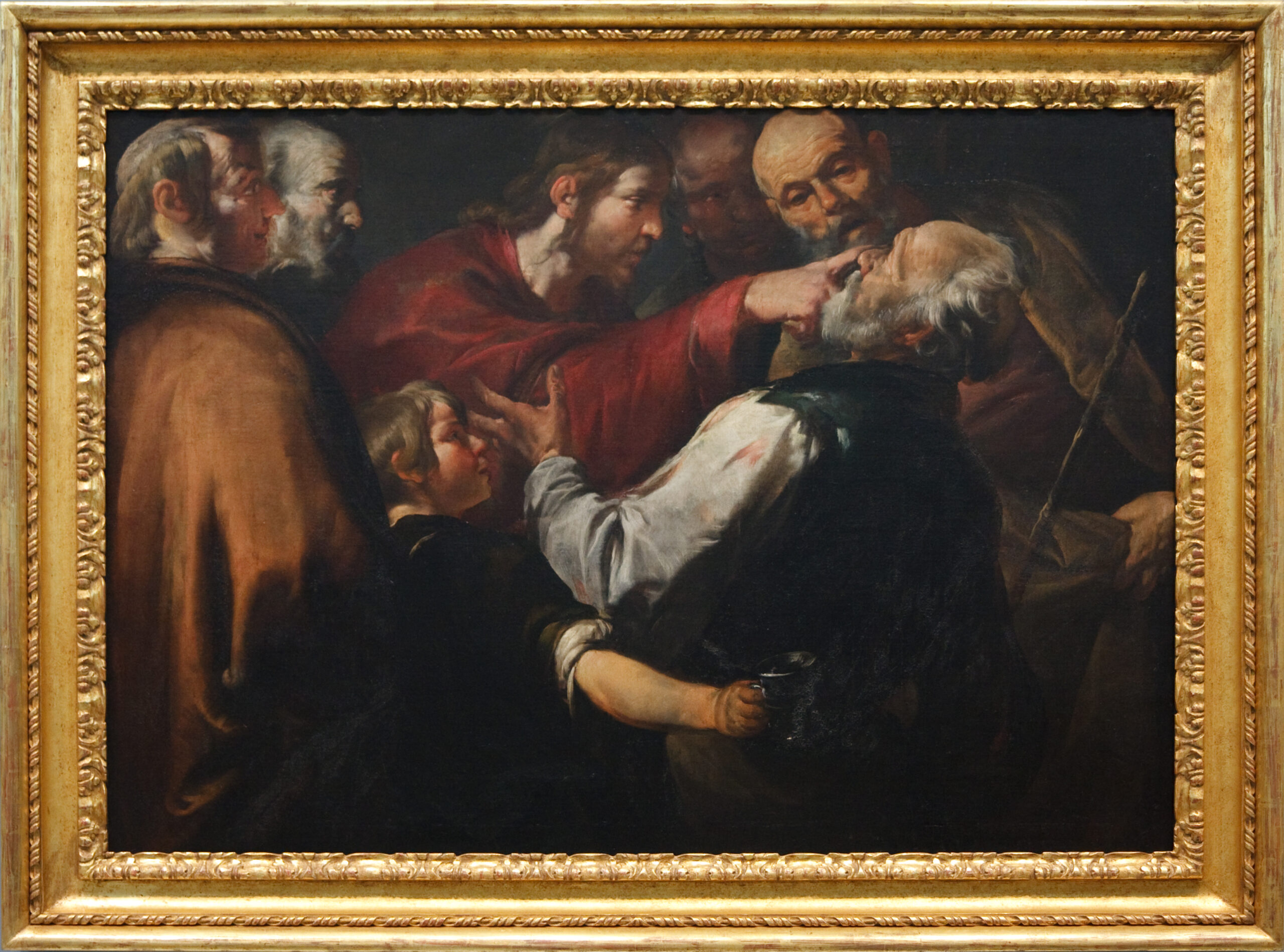
Of everything Jesus does for the deaf man — the fingers, the spit, the word of power — St. Mark writes down the sigh. A sigh is the sound the curse makes coming out of a human being, and ours do nothing: we can’t sigh a tumor out of a body, or our dead back to life. Jesus takes the whole weight of it into His own chest and breathes out one word. It cost Him heaven’s silence on the cross to say it.

“Dan is a Son and He is Home” Funeral of Daniel E. Heidemann 2026

A fourteen-year-old stood at this altar fifty-eight years ago and was handed a verse to carry home: “If you abide in My word.” Fifty-eight years later, you watched that verse get tested — and learned it was never Dan’s grip on Christ that held him, but Christ’s grip on Dan, sealed in his Baptism as a one-month-old. A slave doesn’t get to stay in the house forever. A son does. Dan is a son. Dan is home.

“Where the Eagles Gather” Friday of Trinity 11 (observed) 2026

The Pharisees want a date. Jesus won’t give one — He takes the question apart and rules out both places we look for the kingdom of God: out there in the headlines, and inside your own chest. So the disciples finally stop asking when and ask the right question: “Where, Lord?” And the answer is wherever the Body is — on this altar, in a piece of bread you couldn’t tell from any other.

“The Mercy Seat is Jesus Christ” Trinity 11 2026

Two men go up to the temple at the hour of the lamb, blood being shed a few steps away in plain sight. One of them never mentions it — his religion is complete without the blood, and that religion sits in the pew and climbs into the pulpit. The other says one sentence, and the word he uses is not the ordinary word for mercy. It is the mercy-seat word: let the blood be over me. And the mercy seat is no longer a gold lid in a room no one may enter. It is a Man.

“You pray to be stood up; Christ stands you up!” Friday of Trinity 10 (observed) 2026

The snare of the last day falls on those sitting — and you sit because you cannot carry what you already hold. Every program you have run, from the budget to the devotional with the ribbon, set one more thing on your back and told you to stand. But the verb in the Gospel is passive: you are told to beg that somebody would stand you up. Christ has done it, and He says so out of a preacher’s mouth — holy, blameless, above reproach, today, before you have improved by one ounce.

“The Tears of Your Savior Settle It” Trinity 10 2026

Jesus cries twice in the Gospels — once at a grave, and once outside a church. The grave we understand. The other one is worse, and it is the only thing in that whole city worth crying about. You can read God’s oath that He has no pleasure in the death of the wicked and still lie awake wondering whether He meant it about you — but the tears of your Savior settle it.

“Without Leaving the Others Undone” Friday of Trinity 9 (observed) 2026

Jesus comes to dinner and will not wash His hands. The mint was never commanded — grain, wine, flock, that is what God said to tithe — but a tenth of the mint costs nothing, and being seen to give it is worth a great deal, so justice gets stepped over on the way to the herb garden. Christ does not cancel the mint; He keeps the weightier matters and the little ones both, and leaves not one undone. He keeps none of it for Himself: the hands He would not wash at that table are the hands they nailed down.