“He Was Faithful the Whole Time You Were Not” Trinity 9 2026

Jesus tells the parable of the unjust steward immediately after the lost sheep, the lost coin, and the lost son. Johann Gerhard saw why: Christ knows how easily we misuse that teaching for carnal security, taking the sweetest thing God ever said and turning it into a permission slip. Paul answers that man with a desert full of graves. Israel was baptized into Moses, ate the same spiritual food, drank from the Rock that was Christ, and two of them reached the Promised Land. The warning lands on the man who thinks he stands. So does the promise: God is faithful, the way of escape has an address, and the door behind you was never bolted.

“Holiness Runs Down from God and Never Back Up” Friday of Trinity 8 (observed) 2026

The men haggling in the temple courtyard knew which oaths could be collected on. Swear by the gold and you’re bound; swear by the temple and you can walk away. Jesus calls that blindness: holiness runs down from God to the thing and never back up, and the temple is holy only for Him who dwells in it. We do the same arithmetic with our years and our giving, wanting a righteousness we can audit. But the altar was holy before you got here, and the gift on it is Christ’s own body and blood.

“You Were Carried Through the Door Before You Could Walk” Eighth Sunday after Trinity 2026

Two cries stand side by side in this Sunday’s readings: “Lord, Lord” and “Abba, Father.” The first belongs to an applicant outside the office door with his accomplishments in a folder; the second to a child who never wondered whether he was allowed in the house. Jesus doesn’t dispute the applicants’ resume. He disputes that it ever mattered. What every false prophet wants is to turn sons back into applicants.

“They Kept the Husk and Threw the Kernel Away” Friday of the Seventh Week after Trinity 2026

On the Sabbath, the Pharisees found a rule to keep and lost the mercy it was meant to carry — husk without kernel. James diagnoses the same disease in the church: zeal that hides self-seeking envy. Christ, the One greater than the temple, was Himself crushed like the grain, so that guilty husk-keepers might be fed with mercy instead of judged by the letter.

“You Have Come from Afar” The Seventh Sunday after Trinity 2026

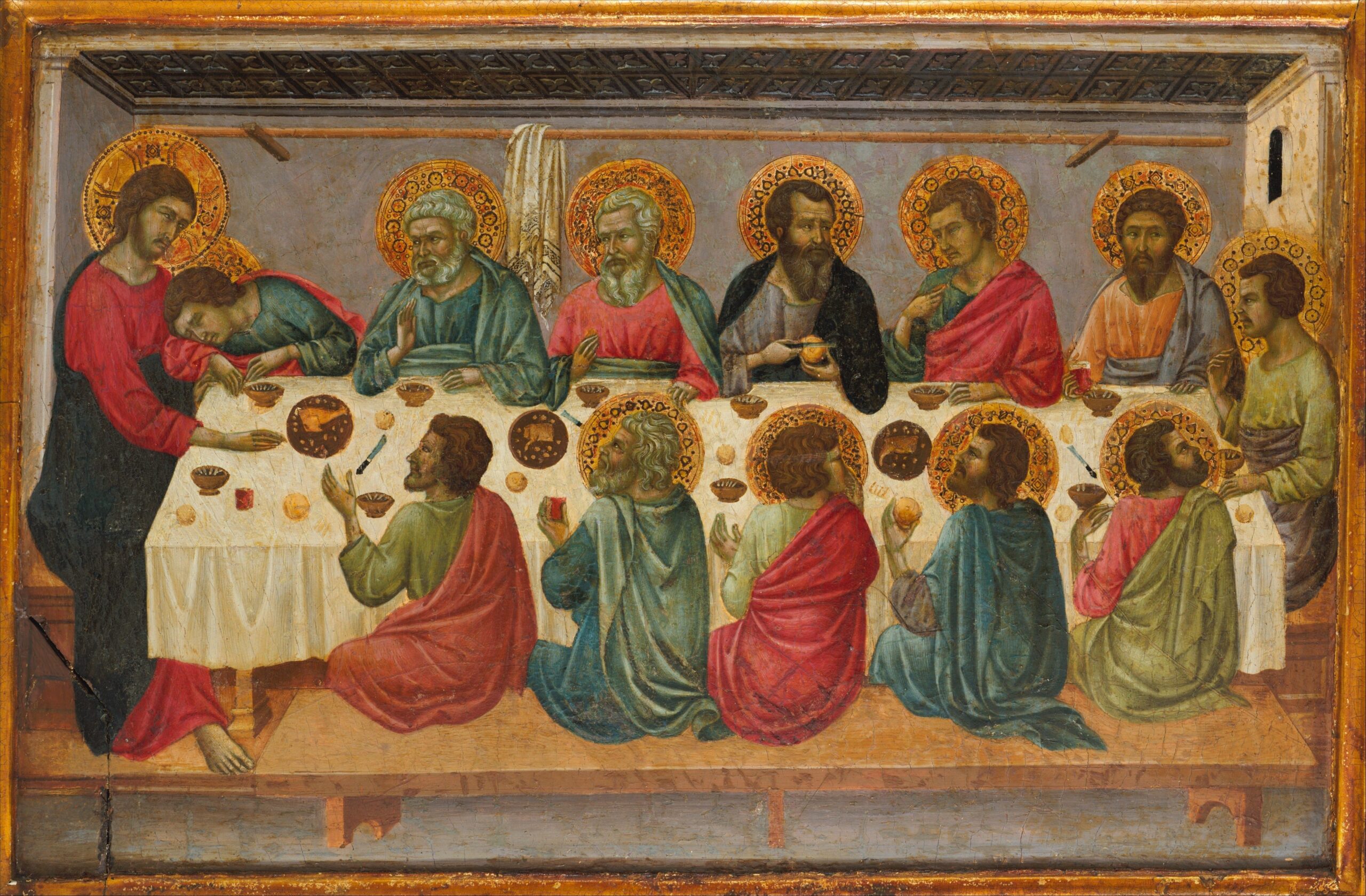
The four thousand Jesus feeds in Mark 8 are Gentiles — outsiders with no claim on the God of Israel. Paul says the same of us: once strangers, far off, until brought near by the blood of Christ. What Christ did on that Gentile shore, He does again in the Sacrament, filling those who have no right to the table with more than enough.

“He Crossed the Water for This” Friday of Trinity 6 (observed) 2026

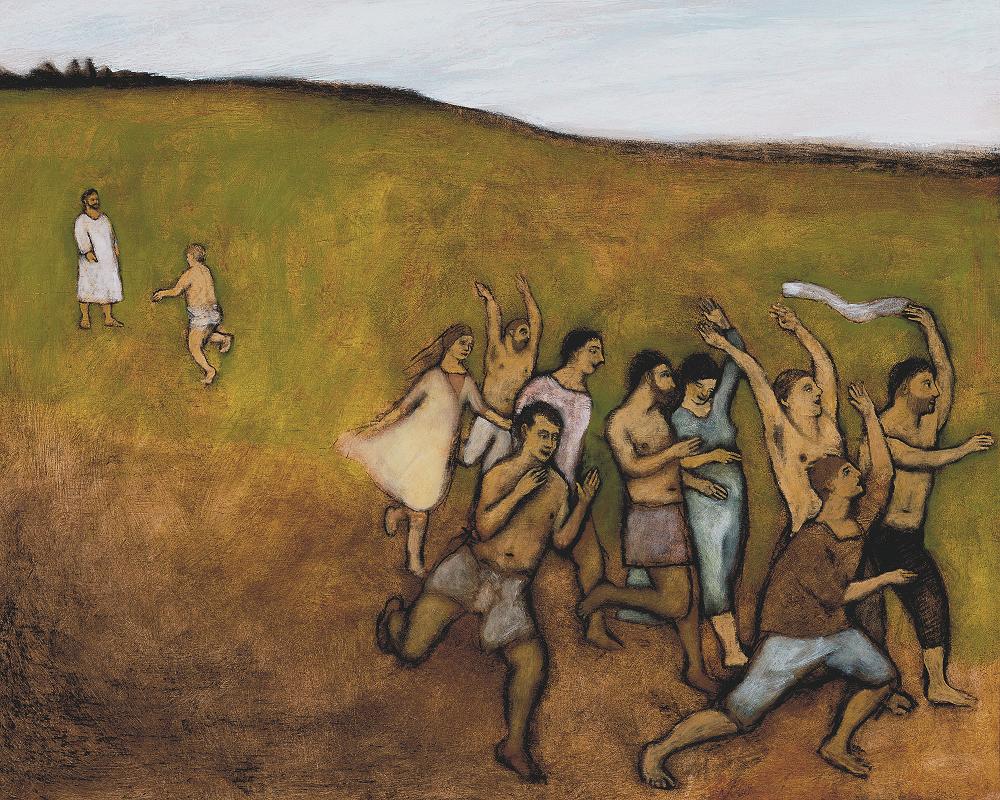
The Gerasene demoniac was a man no one could bind. James names the wisdom that builds a life like that: earthly, unspiritual, demonic, breeding envy and self-seeking until it makes “every evil thing.” Then Jesus crosses the sea to unclean pagan ground for this one man, and with a single word, “Come out,” He drowns Legion under the water. The man is left sitting, clothed, in his right mind. That is his Baptism, and ours, where the same word of Christ still drowns what binds us and seats us at His table.

“Christ’s clean heart is reckoned to you” Trinity 6 2026

Jesus stops the worshiper at the altar: first be reconciled to your brother. The Fifth Commandment reaches the heart — anger, ‘Raca,’ the grudge nursed since Easter — so no one comes with clean hands, and God will not accept half a sacrifice. But this altar faces the other way: God left His throne and reconciled us by Christ’s blood while we were still His enemies. So the righteousness that exceeds the scribes and Pharisees is not one we scrub up in ourselves; Christ’s clean heart is reckoned to us and given again at the rail.

“The freedom no country can give you” Trinity 5 2026

Beneath all our Fourth-of-July talk of freedom lies a deeper freedom no fireworks can give and no tyrant can take away. Out on the open sea Simon Peter thought himself free — his own boat, his own water, his own catch, answerable to no one — and pulled up empty nets all night long. Then Christ climbs uninvited into the boat, the nets tear with the catch, and Peter falls down terrified: “Depart from me, for I am a sinful man.” The Lord does the one thing the open sea never can: He does not depart, but catches the sinner alive — “Do not be afraid. From now on you will catch men.”

“Clouds Without Water” Friday of Trinity 4 (observed) 2026

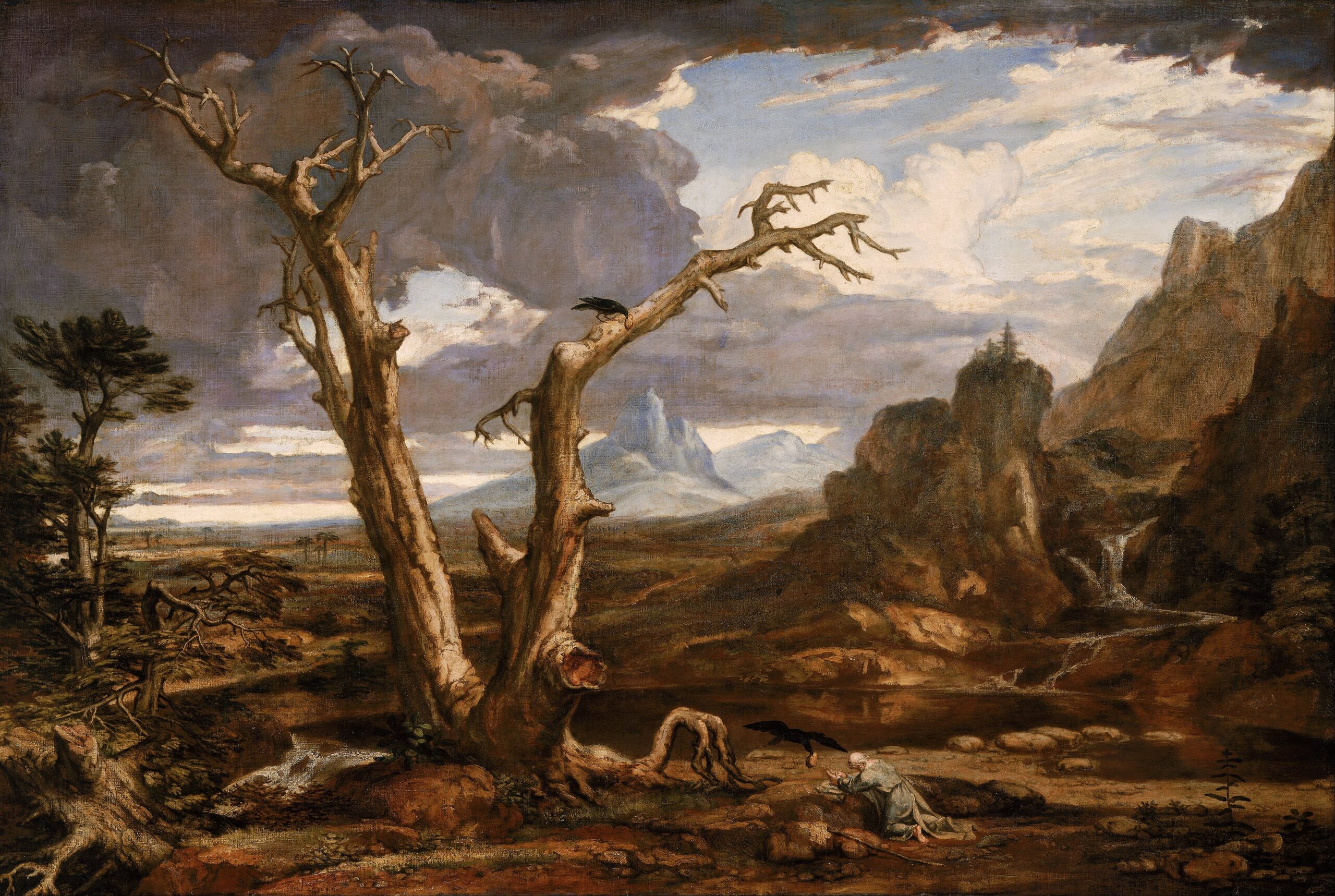
St. Jude will not let us grow comfortable: the Lord saved a people out of Egypt and then destroyed those who would not believe. Faith can die, and a baptized man can become a cloud without water — all the look of a Christian with no rain in him. But the same Lord who judged the unbelieving in the wilderness comes down the mountain to a demon-tormented boy and a father who can barely pray, and He is faithful where our faith is little. Our safety is not the strength of our grip on Christ but His grip on us.

“The Teacher Who Is Mercy Itself” Trinity 4 2026

You have been somebody’s disciple since the day you were born, and Jesus warns that you never rise above your teacher — given enough time, you simply become him. The world is a blind guide that trains us to judge first and forgive slowly, and we have become blind guides ourselves, reaching for the speck in a brother’s eye with a plank in our own. But there is another Teacher: Jesus is the Father’s mercy in the flesh, who takes our score-keeping heart to the cross and trains us in Baptism, Word, Absolution, and the Supper until we begin to look like Him.