Heidelberg Disputations: Thesis 27-28 — May 3, 2026
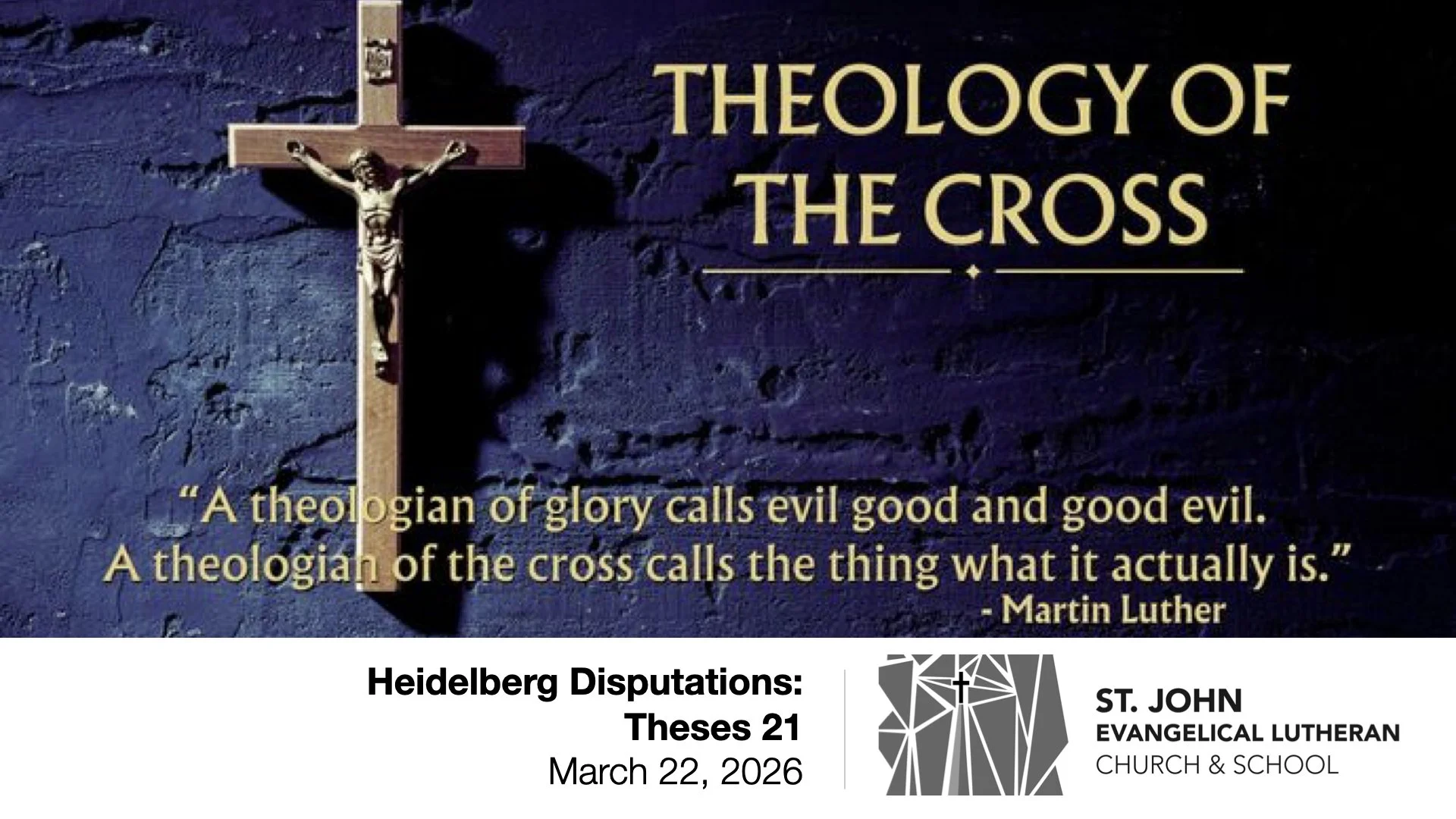
Thesis 27: “Actually one should call the work of Christ an acting work (operans) and our work an accomplished work (operatum), and thus an accomplished work pleasing to God by the grace of the acting work.”

Thesis 28: “The love of God does not find, but creates, that which is pleasing to it. The love of man comes into being through that which is pleasing to it.”

Heidelberg Disputations: Theses 16-18 — March 8, 2026

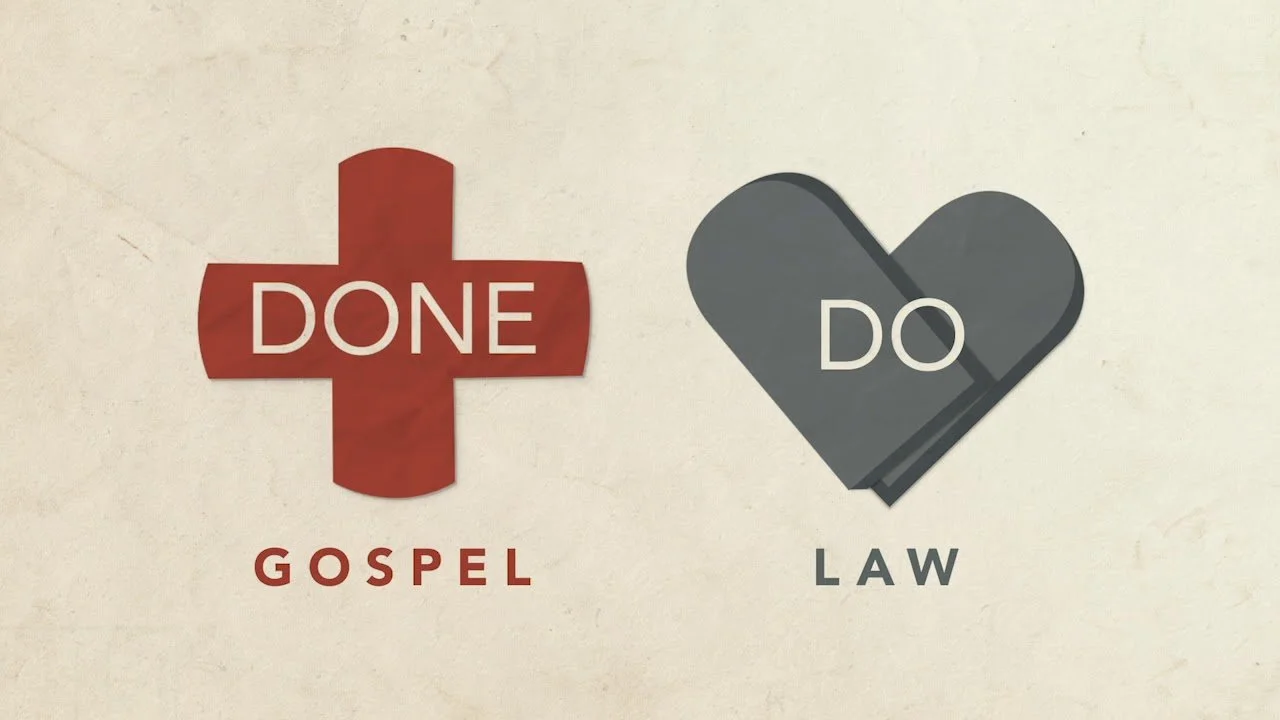
Thesis 16: “The person who believes that he can obtain grace by doing what is in him adds sin to sin so that he becomes doubly guilty.”

Thesis 17: “Nor does speaking in this manner give cause for despair, but for arousing the desire to humble oneself and seek the grace of Christ.”

Thesis 18: “It is certain that man must utterly despair of his own ability before he is prepared to receive the grace of Christ.”

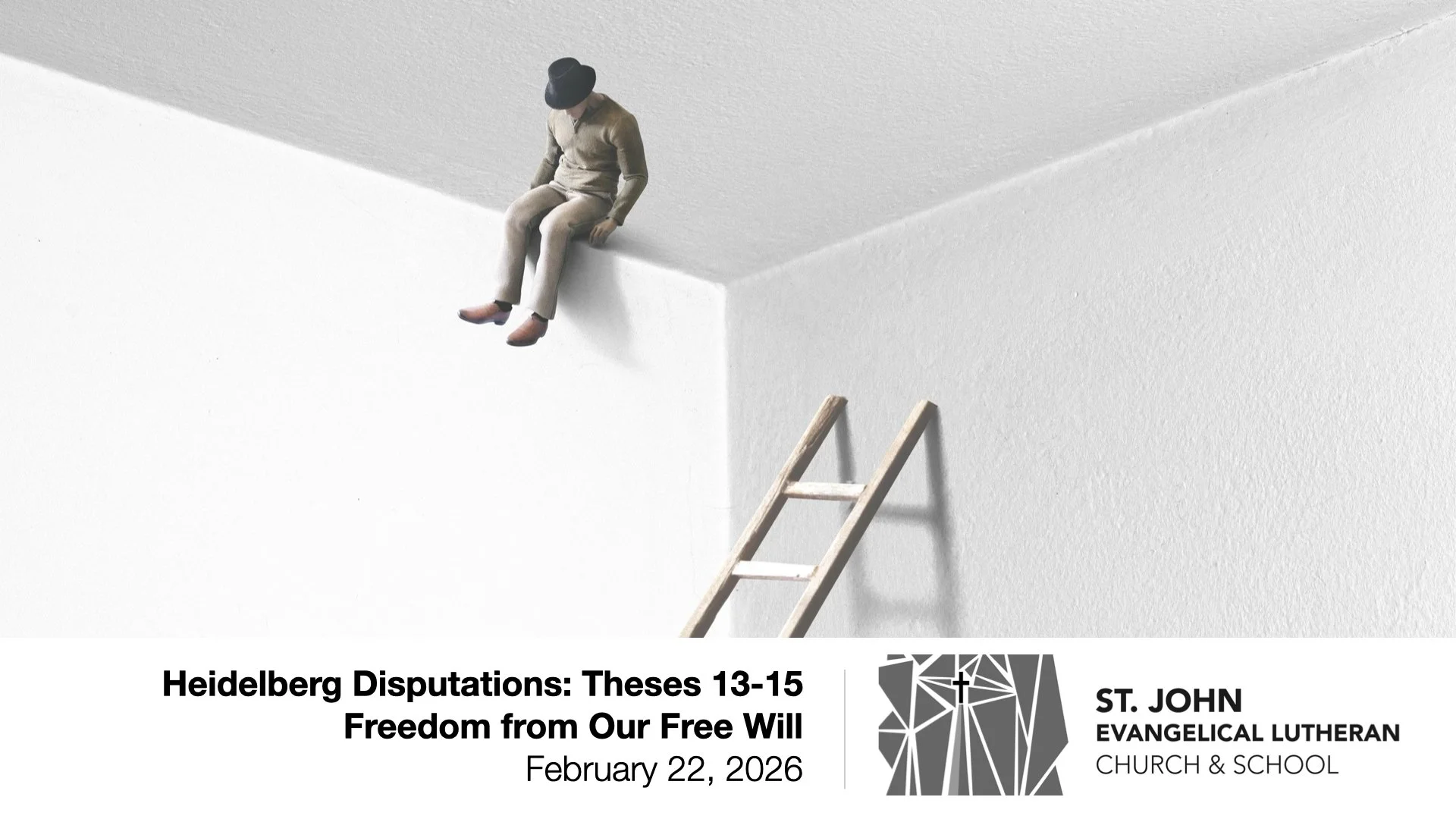
Heidelberg Disputations: Theses 13-15 “Freedom from Our Free Will” — February 22, 2026

Thesis 13: “After the fall, free will exists only as a concept, and as long as it acts in accordance with itself, commits a deadly sin.”

Thesis 14: “After the fall, free will only has the power to passively do good, but it is always able to actively do evil.”

Thesis 15: “Further still, free will could not remain in a state of innocence, much less actively do good, but the will is only able to do good passively.”

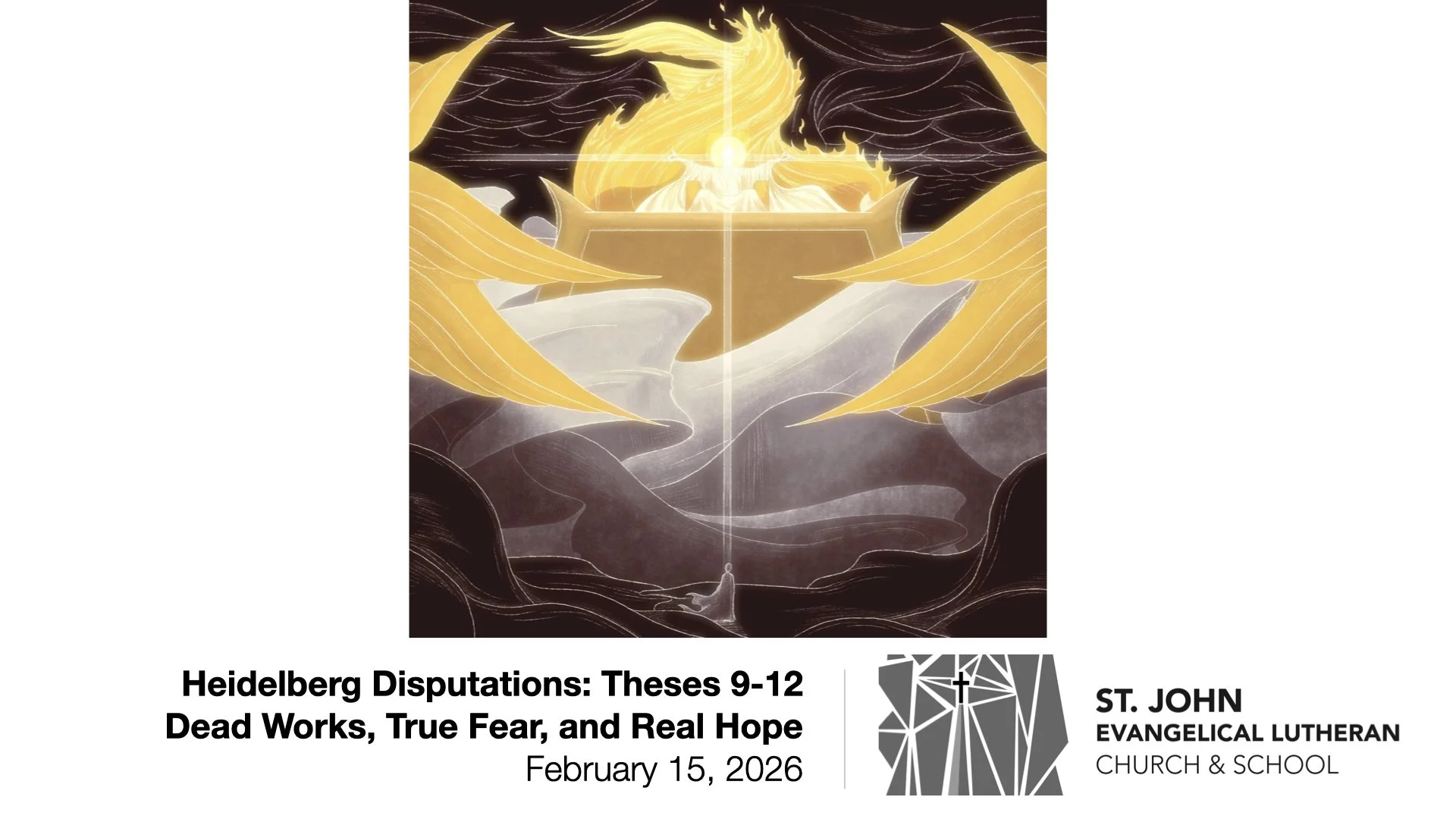
Heidelberg Disputations: Theses 9-12 — Dead Works, True Fear, and Real Hope

Thesis 9: “To say that works without Christ are indeed dead but not mortal sins seems a perilous rejection of the fear of God.”

Thesis 10: “Indeed, it is very difficult to see how a work can be dead and at the same time not a culpable, or mortal sin.”

Thesis 11: “Arrogance cannot be avoided nor can true hope be present, unless the judgment of damnation is feared in every work.”

Thesis 12: “As a consequence, in the sight of God sins are truly venial when human beings fear them as mortal.”